
Remove Trees and Brush for New Construction
Land clearing in Dayton prepares residential and commercial sites so contractors can start building on schedule.
If you're preparing a lot for new construction in Dayton, land clearing removes the trees, brush, and overgrowth that stand between raw property and a buildable site. This process includes cutting down trees of all sizes, grinding stumps to below grade, and hauling away debris so your contractor arrives to a clean, accessible pad. Without proper clearing, construction equipment can't move safely, and site layout becomes a guessing game instead of a measured plan.
Moose Creek Land Clearing handles full-scale clearing for residential homes, commercial buildings, and large acreage projects. We use excavators, skid steers, and forestry equipment matched to your property's size and vegetation density. You'll receive a clearing plan that accounts for property boundaries, setback requirements, and any trees or features you want to preserve. We coordinate timing with your builder or engineer to keep your project on schedule and avoid delays caused by incomplete site prep.
To start the clearing process for your Dayton property, get in touch with details about your lot size, project timeline, and what needs to be removed.
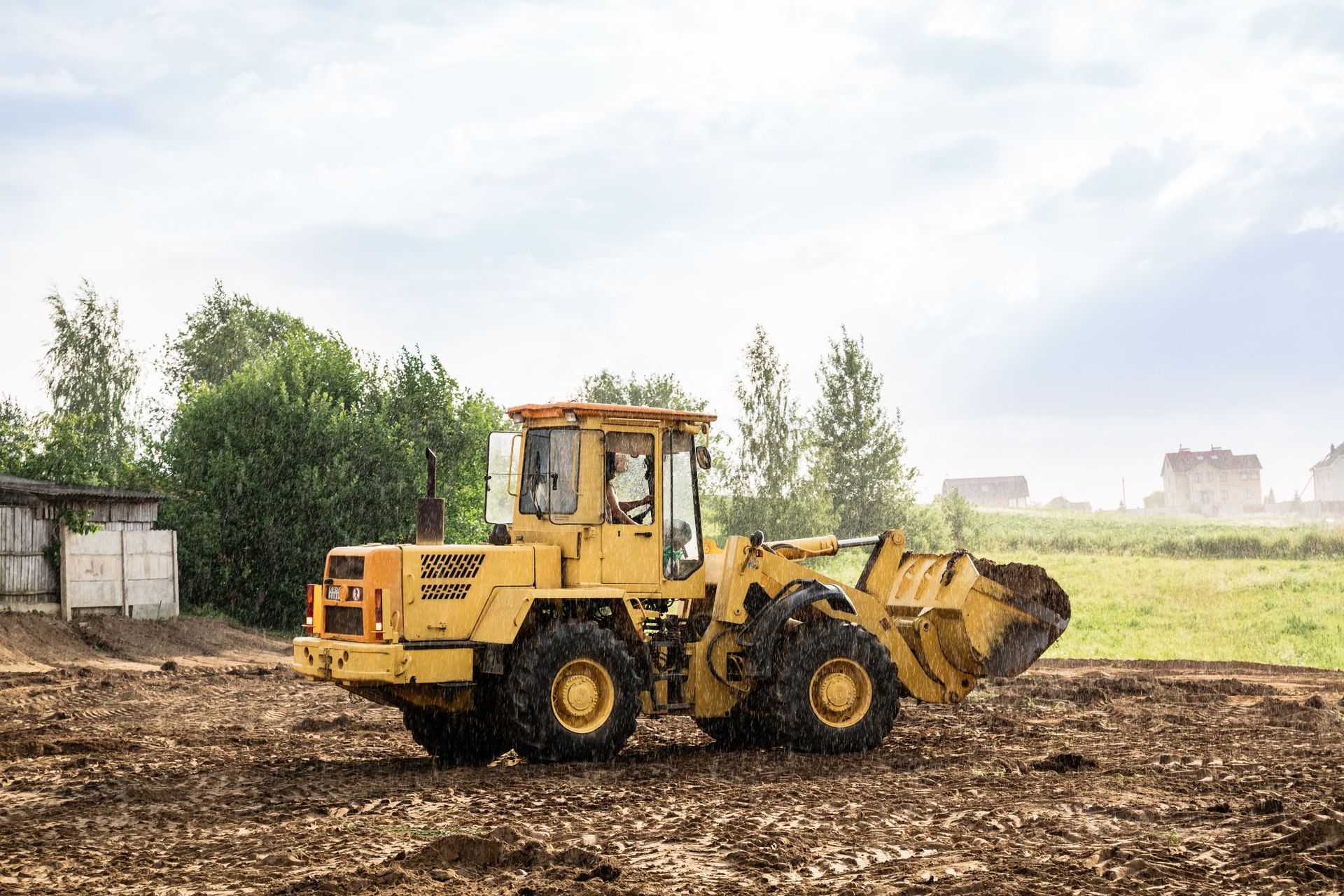
What Gets Done During Full Lot Clearing
We begin by walking your Dayton property to mark trees or boundaries that need protection, then move equipment in to start cutting and removing vegetation. Large trees are felled directionally to avoid damage to surrounding areas, limbed on-site, and hauled off in sections. Stumps are ground down to six inches below the surface so they won't interfere with grading or foundation work. Brush and smaller growth are either mulched in place or loaded into trucks depending on your clearing plan.
Once the trees and brush are gone, your lot will be cleared to bare ground with visible topsoil and no major obstructions. You'll see exactly where your building pad will sit, where utilities will run, and where access roads or driveways can be placed. The clearing work itself doesn't level the ground, but it creates the starting point for grading, drainage, and foundation prep.
Land clearing works best when scheduled before grading and utility installation so those contractors don't have to work around stumps, roots, or debris piles. If your project includes wetland buffers, septic field areas, or protected tree zones, we adjust the clearing boundaries accordingly and document what was removed. This service does not include grading, soil testing, or utility trenching, though we can coordinate with those trades if you're managing the project yourself.
Here's What Homeowners Usually Want to Know
Property owners in Dayton who are clearing land for the first time often ask about timing, costs, and what happens to the material we remove. These questions come up during estimates and help clarify what the service includes and what comes next.
How long does it take to clear a residential lot?
A typical half-acre residential lot takes one to three days depending on tree density and accessibility. Larger lots or heavily wooded properties take longer, and wet ground can slow equipment movement.
What happens to the trees and brush after removal?
We haul trees and large debris off-site for disposal or processing. Some brush is mulched on-site if you want it spread as groundcover, but most projects require full removal to keep the lot clean.
How deep are stumps ground down?
Stumps are ground to at least six inches below grade, which clears them for grading equipment and foundation work. If you're planting grass or landscaping over the area, we can grind deeper on request.
When should I schedule clearing if construction starts in spring?
Schedule clearing in late winter or early spring before ground conditions become saturated. Wet or muddy lots are harder to clear efficiently and can delay both clearing and grading timelines.
What if I want to keep certain trees on the lot?
Mark or flag any trees you want to preserve before we arrive. We'll work around them and adjust equipment paths to avoid root damage or trunk scarring during the clearing process.
Moose Creek Land Clearing schedules site walks in Dayton to evaluate your lot's vegetation, access points, and any site-specific challenges before providing a detailed estimate. If your project is moving toward permitting or construction and the land isn't ready yet, contact us to discuss timing and what needs to be cleared first.