Cut Through Overgrowth and Reclaim Property Lines
Underbrush and brush cutting in Dayton clears fence lines, trails, and neglected areas so your property is usable again.
When thick brush and undergrowth take over your Dayton property, they make it hard to walk the land, maintain fences, or see where your boundaries actually are. Underbrush cutting removes dense vegetation like briars, saplings, vines, and overgrown shrubs that block access and create hiding spots for pests. After the work is done, you'll see clear ground, defined edges, and open sight lines that make the property feel larger and more manageable.
Moose Creek Land Clearing uses brush cutters, clearing saws, and compact equipment to remove heavy undergrowth without damaging trees you want to keep or disturbing root systems. This service works well for clearing fence lines before repair, opening up trails or access roads, cleaning up after storm damage, and restoring properties that have been neglected for years. We cut the brush down to ground level and either mulch it in place or haul it off depending on what you're planning to do with the cleared area.
If your Dayton property has areas you can't access or maintain because of overgrowth, contact us to schedule a walkthrough and discuss what needs to be cleared.
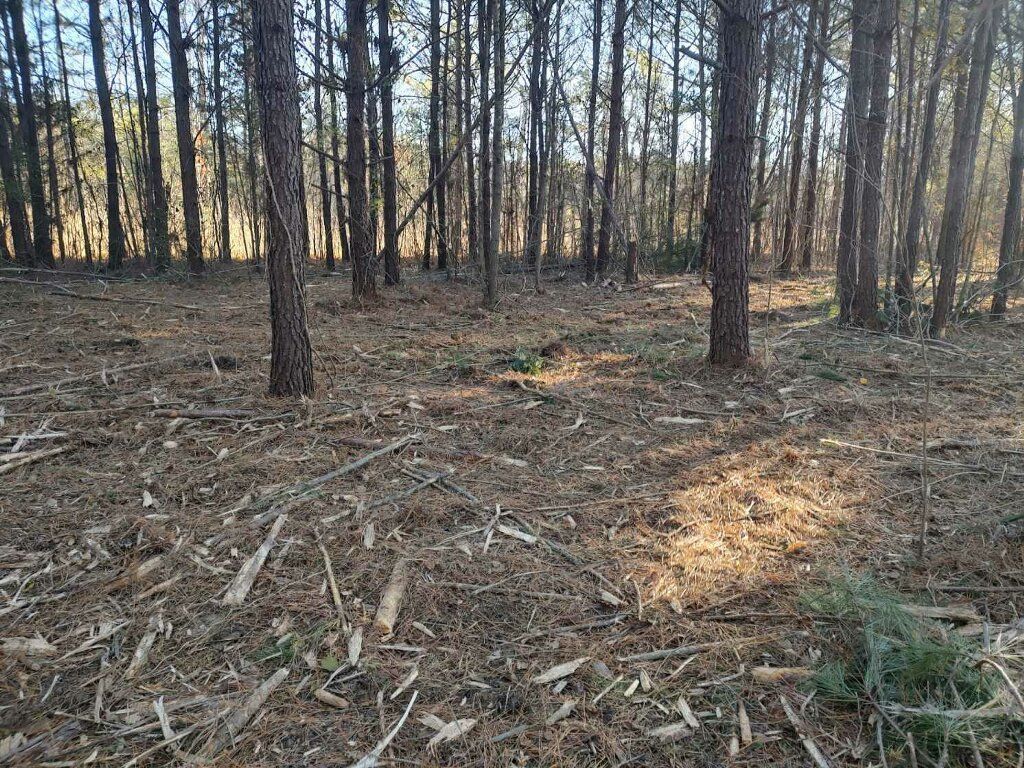
What Changes After Brush Is Removed
We start by cutting the thickest growth first, working systematically across your Dayton property to remove saplings, vines, and dense brush. The equipment cuts vegetation at ground level and processes it into manageable pieces that can be mulched or hauled. For fence lines and property boundaries, we clear a strip wide enough for you to walk, mow, or maintain without fighting through regrowth every season.
Once the underbrush is gone, the ground underneath is visible and accessible. You'll notice improved drainage in low spots where brush used to hold water, better airflow that discourages ticks and mosquitoes, and clearer views of existing trees or structures. The cleared area can be mowed, replanted, or left as open ground depending on your long-term plans.
Brush cutting is most effective when scheduled before invasive plants set seed or spread further into adjacent areas. It does not remove tree stumps, grade soil, or kill root systems, so fast-growing species like honeysuckle or privet may resprout unless you apply herbicide or mow regularly after clearing. If you're clearing trails or access roads, we can also smooth ruts and remove fallen limbs to make the path easier to maintain going forward.
Common Questions Before Starting Brush Work
Property owners in Dayton often ask about timing, regrowth, and what happens to the cut material before they schedule underbrush clearing. These answers cover the practical concerns that come up during estimates and site visits.
How wide do you clear along a fence line?
We typically clear a strip six to ten feet wide along fence lines, which gives you room to walk, inspect, and maintain the fence without fighting through regrowth. Wider clearing is available if you need access for equipment or replanting.
What's the best time of year to cut brush?
Late fall through early spring is ideal because vegetation is dormant and regrowth is slower. Cutting during active growing season works too, but you'll need to stay on top of mowing or herbicide application afterward.
How do you handle storm debris mixed in with brush?
We separate fallen limbs and storm debris from live brush during clearing and haul it off separately. If the debris includes large logs, we can cut and stack them for firewood or removal depending on your preference.
What prevents brush from growing back immediately?
Cutting alone doesn't stop regrowth. You'll need to mow the cleared area regularly, apply herbicide to stumps and root zones, or mulch heavily to suppress new shoots. We can advise on follow-up options during the site visit.
How long does it take to clear a half-mile trail?
Clearing a half-mile trail through moderate brush usually takes one to two days depending on width and density. Trails through heavy thickets or uneven terrain take longer and may require multiple passes to smooth the path.
Moose Creek Land Clearing evaluates your Dayton property's undergrowth density, terrain, and access challenges before providing an estimate and timeline. If overgrown brush is keeping you from using parts of your land, learn more about how we can clear it and what maintenance will look like afterward.