Trim Trees to Reduce Risk and Improve Health
Professional tree trimming and pruning services in Dayton, Tennessee
Dead limbs hanging over your driveway or branches scraping your roof are not just annoying. In Dayton, where thunderstorms and winter ice are common, weak or overgrown branches can snap and cause damage. You need your trees trimmed in a way that removes the risk while keeping the tree healthy and looking right.
Moose Creek Land Clearing provides tree trimming and pruning to remove dead limbs, thin crowded canopies, and clear branches away from structures and power lines. This includes structural pruning to support healthy growth, clearance trimming near homes and driveways, and routine maintenance to keep trees safe and manageable. Each cut is made at the right spot to avoid damaging the tree or encouraging disease.
If your trees need trimming in Dayton, contact Moose Creek Land Clearing to schedule the service.
Proper Cuts Protect the Tree and Your Property
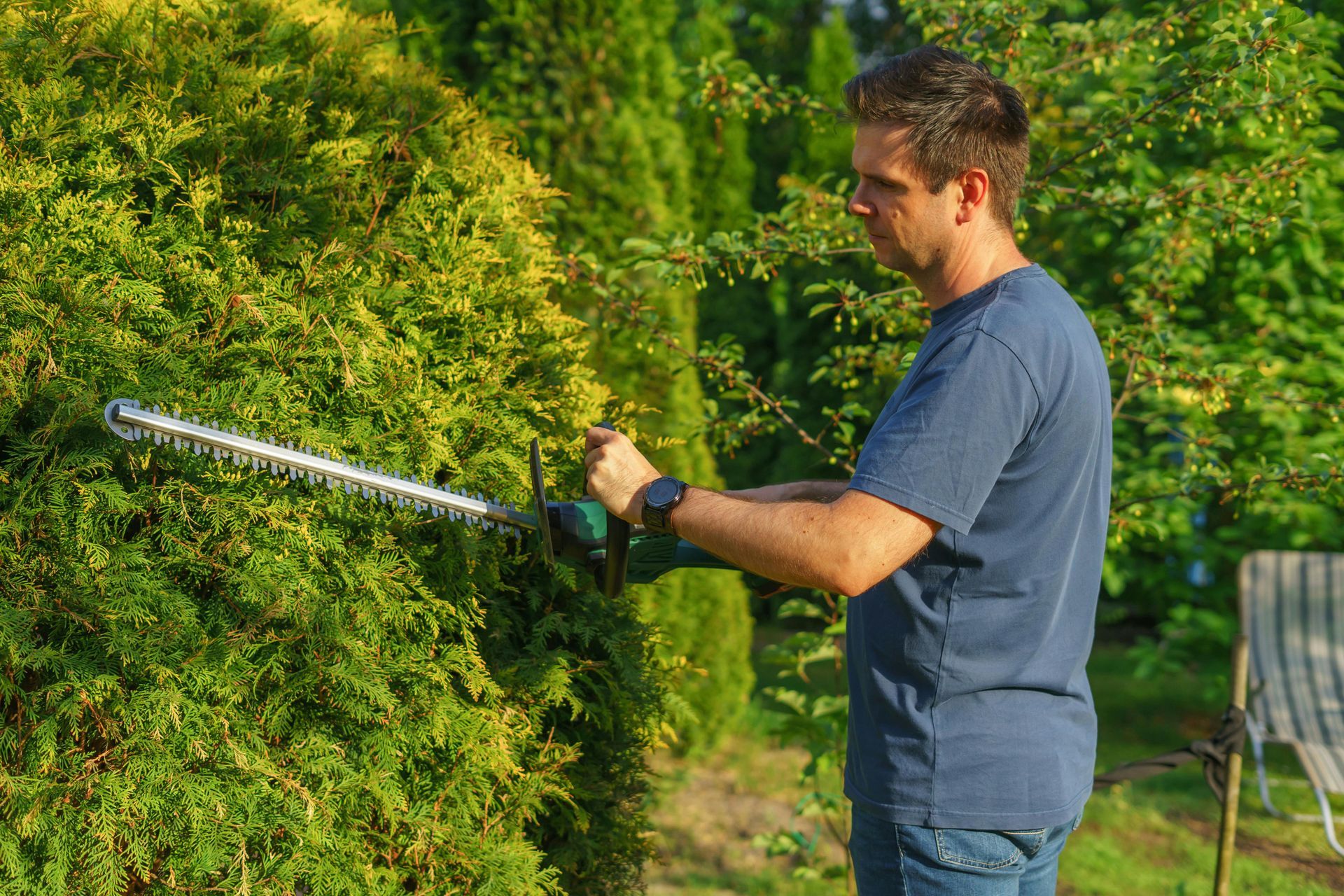
The work begins with inspecting the tree to identify dead, damaged, or poorly placed branches. In Dayton, trees near homes often need clearance trimming to create space between the canopy and the roof or siding, which reduces the chance of storm damage and keeps pests from using branches as a bridge. Cuts are made with pruning saws and pole saws at the branch collar, which allows the tree to heal correctly.
After the trimming is finished, you will see more light reaching the ground beneath the tree, and the canopy will look balanced instead of lopsided or overcrowded. Dead limbs that could fall during a storm are gone, and branches no longer touch your roof or hang over walkways.
This service includes cutting and removing trimmed branches from the site. Canopy thinning, which removes select interior branches to improve airflow and sunlight, is also included when needed. If you are trimming along a property line or fence, the same controlled approach is used to keep the tree healthy while opening up the area.
Common Questions About Trimming and Timing
Homeowners planning tree trimming often ask about timing, what should be cut, and how much can be removed safely, so these answers cover the practical details that help you plan the work.
What is the difference between trimming and pruning?
Trimming usually refers to cutting back overgrown branches for clearance or appearance, while pruning focuses on removing dead or weak limbs to improve the tree's structure and health. Both involve careful cutting at the right location.
When is the best time to trim trees in Dayton?
Late fall through early spring is ideal for most trees because they are dormant and less likely to bleed sap or attract insects. Hazardous limbs should be removed right away regardless of season.
How much of a tree can be safely trimmed at once?
You should not remove more than twenty-five percent of a tree's canopy in a single session, as this can stress the tree and slow its recovery. Dead limbs can be removed without affecting this limit.
Why does canopy thinning help tree health?
Thinning allows more sunlight and air to reach the interior branches and the ground below, which reduces moisture buildup, discourages disease, and gives the tree a more balanced shape.
What happens if a branch is cut in the wrong place?
Cutting too close to the trunk or leaving a long stub can prevent the wound from healing properly, which invites rot and pest damage. Cuts are made at the branch collar where the tree naturally seals the wound.
Moose Creek Land Clearing trims and prunes trees throughout Dayton using methods that reduce safety risks and support long-term tree health. If your trees need clearance trimming or dead limb removal, get in touch to schedule the work.