Fix Drainage Problems and Level Uneven Ground
Land grading and leveling in Dayton prepares yards and building pads so water drains properly and surfaces are ready for construction.
When your Dayton property has low spots that hold water, slopes that drain toward your foundation, or uneven ground that makes mowing or building difficult, grading reshapes the surface to fix those problems. We use excavators and grading equipment to move soil, adjust slopes, and create a smooth, stable surface that directs water away from structures and eliminates standing puddles. After grading, you'll see a yard or building pad that looks level, drains predictably, and is ready for the next phase of your project.
Moose Creek Land Clearing provides grading for residential yards, commercial building pads, driveways, and large acreage sites. We measure existing elevations, calculate drainage paths, and adjust soil placement to meet your project's specifications. Whether you're preparing a foundation pad, fixing a waterlogged lawn, or grading a driveway that washes out every storm, we handle the dirt work so your contractor, landscaper, or concrete crew arrives to a surface that's already dialed in.
If your Dayton property has drainage issues or needs grading before construction, get in touch to schedule a site visit and discuss what needs to change.
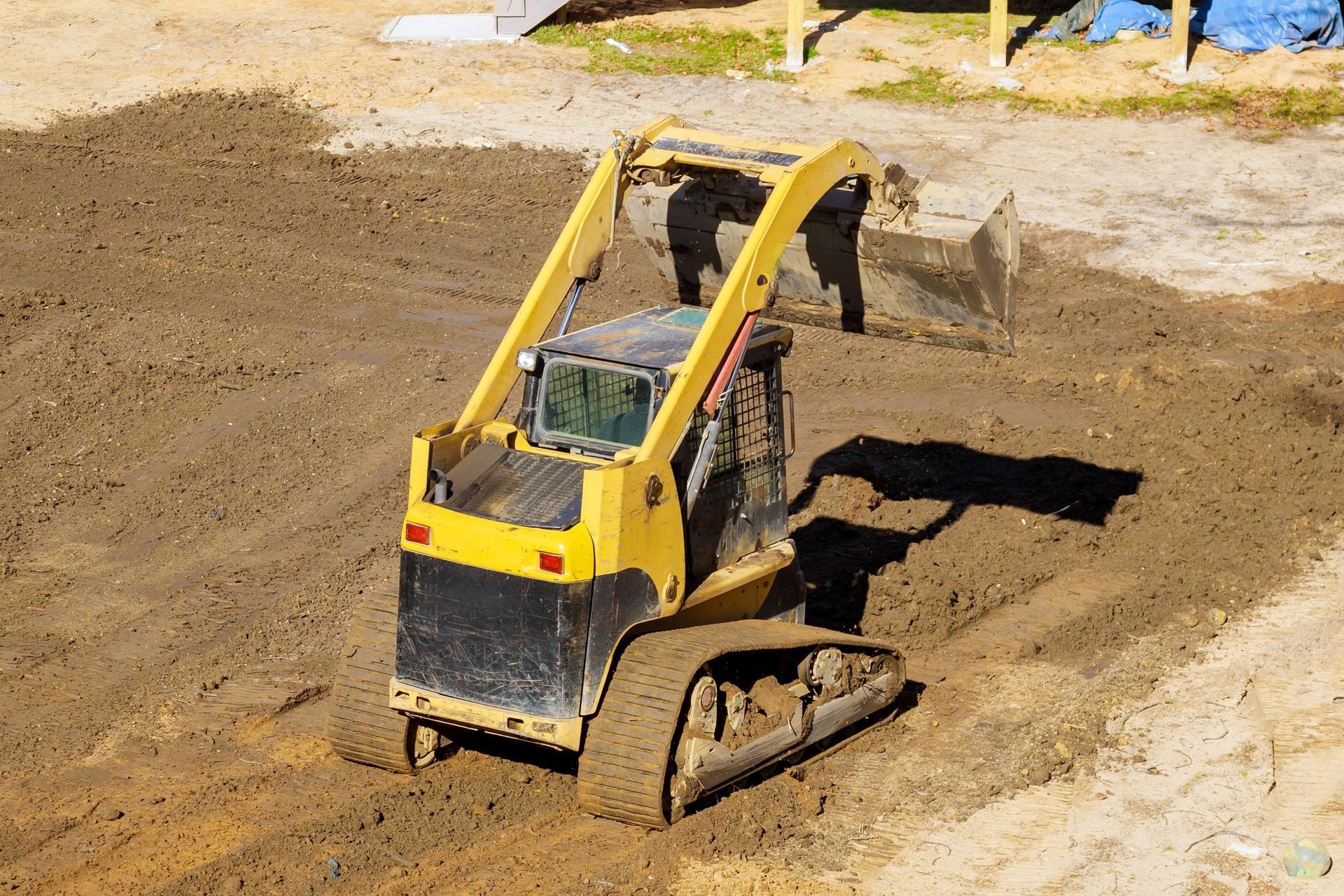
How the Ground Looks After Grading
We begin by marking high and low points across your Dayton property, then use a laser level or GPS system to establish the target grade. Soil is cut from high spots and moved to fill low areas, then compacted with a roller or plate compactor to create a stable surface. The finished grade slopes gently away from buildings and toward drainage swales, culverts, or natural runoff paths.
After grading is complete, the surface is smooth and firm enough to walk or drive on without sinking. Water that used to pool near your foundation or in the yard now runs off to the edges of the property or into designated drainage features. The graded area is ready for sod, gravel, concrete, or building pads without additional prep work.
Grading works best on properties where trees and stumps have already been removed and where you have a clear idea of final elevations or drainage goals. If your project requires engineered grading plans, we work from those drawings to meet slope and elevation tolerances. We don't install underground drainage systems, septic fields, or retaining walls, but we can coordinate grading with those contractors to ensure everything ties together properly.
People Want to Know Before Dirt Moves
Homeowners and builders in Dayton ask similar questions about grading before the equipment arrives, especially if they've never had a property graded before. The answers below address concerns about timing, soil, and drainage that come up during site evaluations.
How much slope is needed for proper drainage?
Most yards and building pads need a slope of at least two percent, which translates to a quarter-inch drop per foot. Steeper slopes drain faster, but too much grade can cause erosion or runoff problems.
What happens if the soil is mostly clay or rock?
Clay soil can be graded but needs more compaction effort to stabilize. If we hit bedrock or large boulders, we'll notify you and adjust the plan, which may include adding fill dirt or relocating the grade.
How long does it take to grade a residential yard?
Grading a typical half-acre yard takes one to two days depending on how much soil needs to be moved and whether the ground is wet or dry. Larger sites or complex drainage work take longer.
When should grading happen in the construction timeline?
Grading happens after clearing and before foundation or concrete work. If utilities are going in, coordinate grading around trenching so we're not cutting through freshly placed lines or disrupting compacted soil.
What if water still pools after grading?
If pooling persists, it usually means the grade wasn't steep enough, soil compaction is inadequate, or an underground drainage system is needed. We'll evaluate the issue and adjust the grade or recommend additional drainage solutions.
Moose Creek Land Clearing measures elevations and drainage patterns on your Dayton property before moving dirt, so the grading plan addresses your specific water flow and site conditions. If your yard floods, slopes the wrong way, or needs leveling before construction, contact us to walk the site and talk through what needs to happen.