Remove Trees Without Damaging What Stays
Safe and controlled tree removal services in Dayton, Tennessee
A leaning oak next to your garage or a storm-damaged pine hanging over your roof is not something you can ignore. In Dayton, wind and ice storms can leave trees split or uprooted, and waiting too long to remove them puts your home, vehicles, and power lines at risk. You need the tree taken down in a way that protects everything around it.
Moose Creek Land Clearing removes hazardous, damaged, and unwanted trees using professional rigging and cutting equipment. This includes large trees that require sectioning, storm-damaged trees that are unstable, and trees cleared from lots before construction. Each cut is planned to control where the wood falls, and surrounding structures, fences, and landscaping are protected throughout the process.
If you have a tree that needs to come down in Dayton, contact Moose Creek Land Clearing to schedule a removal.
Rigging and Sectioning Keep Surrounding Property Safe
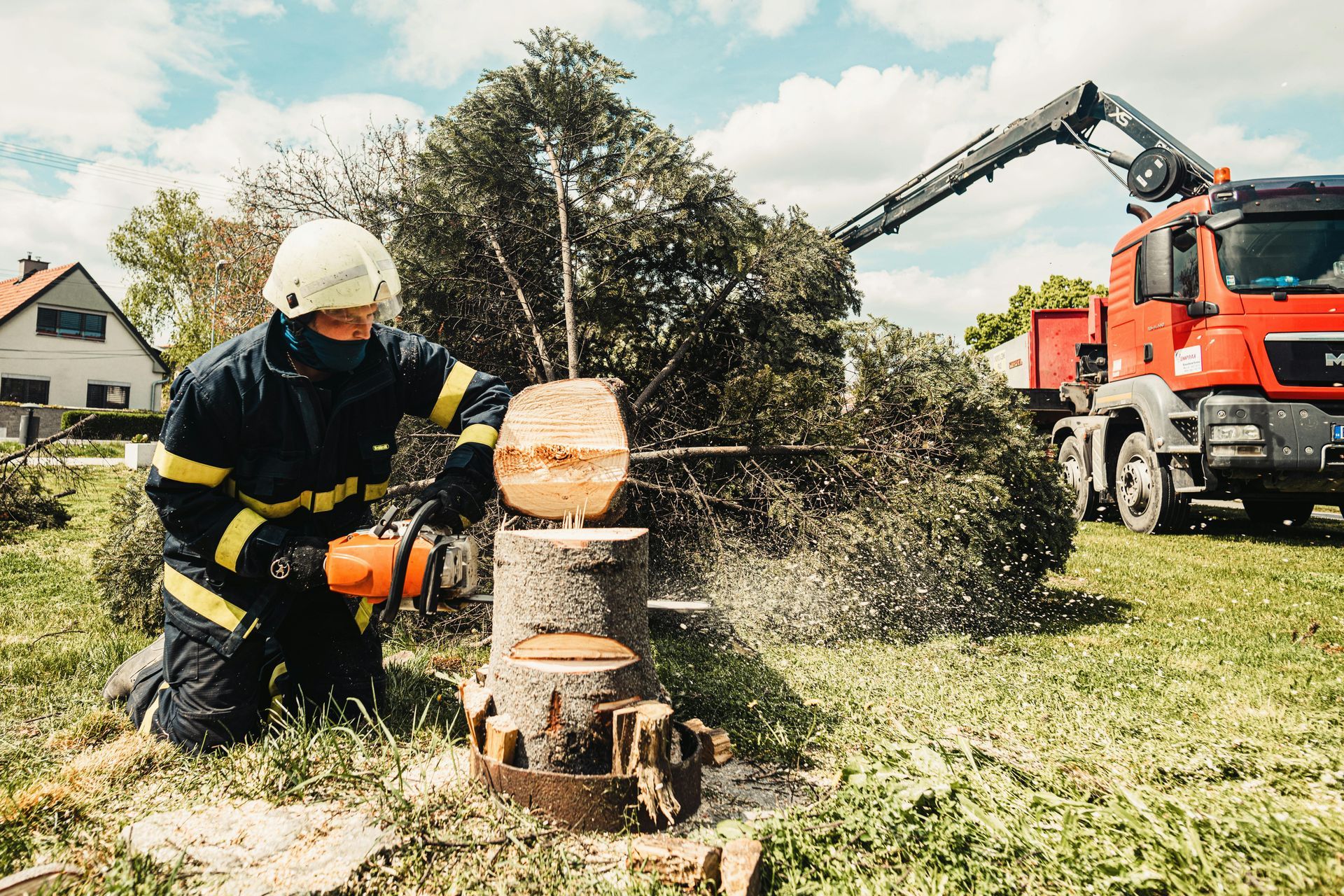
The removal begins with inspecting the tree and the area around it to plan the safest approach. In Dayton, many properties have trees close to homes, driveways, and utility lines, so the tree is often cut in sections from the top down using ropes and rigging to guide each piece to the ground. A chainsaw, climbing gear, and sometimes a bucket truck are used depending on the size and location of the tree.
When the work is finished, the tree is gone and the area is cleared of major debris. You will no longer see the hazard, and the ground where the tree stood will be open and ready for grading, replanting, or other use.
This service includes cutting, sectioning, and removing the tree. Stump grinding is available separately if you want the stump taken out as well. If you are clearing multiple trees for a building site or lot development, the same controlled approach is used to remove each tree without damaging the surrounding land.
Ask About the Details Before the Work Starts
Homeowners planning tree removal often have questions about safety, timing, and what happens to the wood, so these answers address the practical concerns that come up during the planning stage.
How do you remove a tree that is close to a house?
The tree is climbed and cut in sections starting from the top, with each piece lowered by rope to avoid hitting the structure. This method gives full control over where the wood goes.
What happens to the wood after the tree is removed?
Larger logs are usually cut into manageable lengths and left on site unless you arrange for hauling. Branches and smaller debris can be chipped or removed depending on your preference.
When should a tree be removed instead of trimmed?
If the tree is dead, leaning severely, cracked at the trunk, or has root damage that makes it unstable, removal is usually the safer choice. Trimming helps healthy trees but will not fix structural problems.
How long does it take to remove a large tree?
A single large tree near a home in Dayton typically takes half a day to a full day depending on height, condition, and how much rigging is required. Multiple trees or lot clearing takes longer.
What equipment do you use for tree removal?
Chainsaws, climbing gear, rigging ropes, and wood chippers are standard. For taller trees or those near power lines, a bucket truck may be used to reach upper sections safely.
Moose Creek Land Clearing handles tree removal throughout Dayton with the rigging and cutting methods needed to protect your property while the tree comes down. If you need a hazardous or damaged tree removed, reach out to schedule the work.